
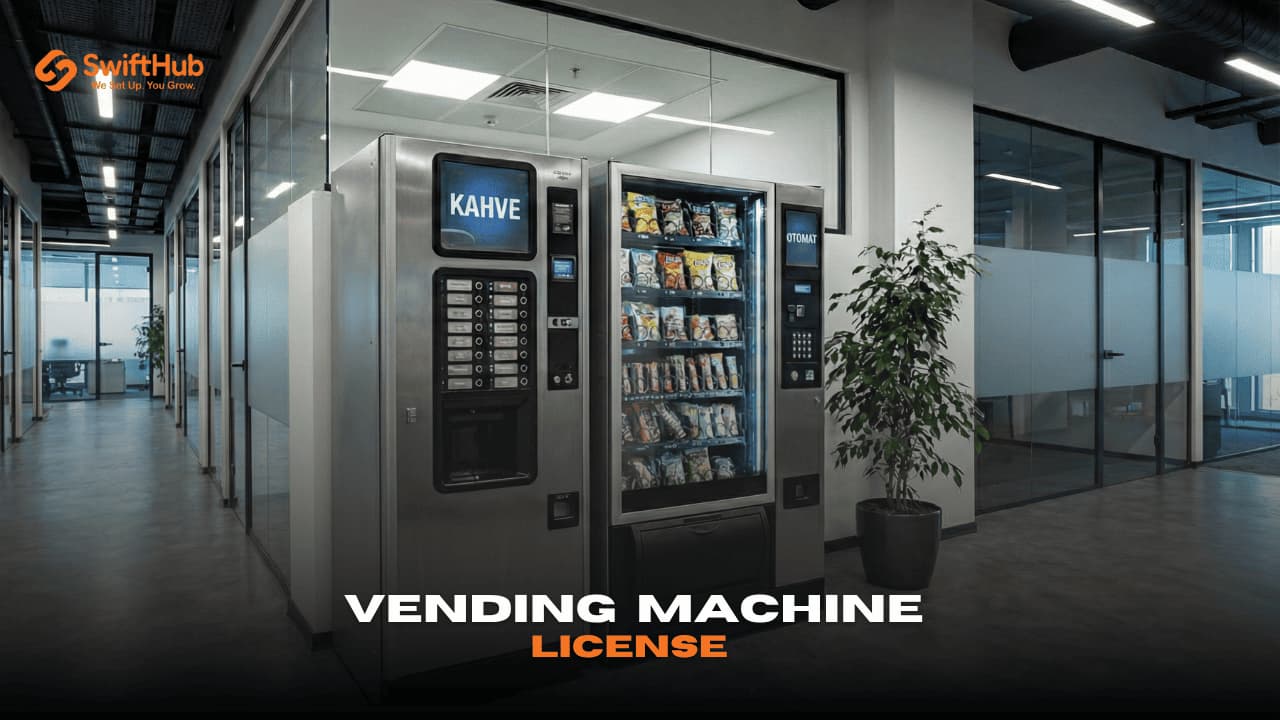
The vending machine industry has quietly become one of the fastest-growing low-overhead retail models. From office towers and shopping malls to hospitals and universities, automated retail machines are everywhere.
But before installing a machine and selling snacks or beverages, entrepreneurs must understand how to get a vending machine license and comply with local business regulations.
In most jurisdictions, vending machines are regulated as a commercial retail activity, meaning operators must obtain a business license, secure permission from the property owner, and sometimes receive health or food safety approvals if the machines sell consumables.
Under the current regulatory frameworks used in many global markets, vending machine businesses often require:
- a commercial trade license
- a vending machine operator permit
- food safety approvals for snack or beverage machines
- location agreements with property owners
From a business perspective, vending machines are attractive because they operate with minimal staff, lower overhead, and flexible locations. However, many new operators underestimate the importance of legal licensing, machine registration, and location permits.
This guide explains how to get a vending machine license, the required permits, startup costs, and the step-by-step process to launch a vending machine business successfully.
Entrepreneurs exploring the broader food and beverage sector may also find this guide helpful: Foodstuff Trading License in Dubai
How to Get a Vending Machine License: Requirements and Process Explained
To get a vending machine license, entrepreneurs must first register a business and obtain the appropriate commercial license from the relevant economic authority. After that, operators typically need a vending machine permit, secure a location agreement with the property owner, and ensure compliance with food safety regulations if selling snacks or beverages.
The process usually involves registering a trade license, obtaining necessary municipality approvals, and installing machines in authorized locations. In many regions, vending machines must also be registered or inspected by local authorities to ensure they meet consumer protection and hygiene standards.
Because vending machines operate as self-service retail units, authorities regulate them to ensure food safety, fair pricing, and proper business registration.
What License Is Required for a Vending Machine Business?
Most vending machine businesses operate under a commercial retail or automated retail license. The specific license type may vary depending on the country, but it typically falls under general trading or retail business activities.
In the UAE, vending machine businesses are usually registered through the Dubai Department of Economy and Tourism or the equivalent authority in other emirates.
Key licensing elements usually include:
1. Commercial Trade License
A trade license allows the business to legally operate as a retail vending machine operator.
2. Vending Machine Permit
Some jurisdictions require individual machine registration or operator permits, especially when machines are installed in public locations.
3. Food Safety Permit
If the vending machine sells:
- snacks
- packaged meals
- beverages
then food safety regulations may apply. These are typically regulated by authorities such as Dubai Municipality.
4. Location Authorization
Operators must obtain written permission from the property owner or facility manager where the machine will be installed.
Important Tip:Machines installed in high-traffic commercial locations often require revenue-sharing agreements with the property owner.
Vending Machine License Cost (Government Fees Breakdown)
The vending machine license cost varies depending on the business structure, location, and regulatory requirements.
Below is a typical breakdown of the core licensing costs involved.
| License Component | Estimated Cost |
| Trade license registration | $500 – $2,000 |
| Vending machine permit | $100 – $500 per machine |
| Municipality or regulatory approval | $100 – $300 |
| Business registration fees | $200 – $600 |
Estimated total licensing cost:$1,000 – $3,000
Important Note:The license cost does not include machine purchase, installation, or product inventory, which represent the largest startup investment.
Entrepreneurs considering other food-related businesses can also review:Grocery License Cost in Dubai
Step-by-Step Process to Get a Vending Machine License
Launching a vending machine business involves several licensing and operational steps.
Step 1: Register Your Business
Choose a suitable business activity and apply for a commercial trade license through the relevant authority.
Step 2: Choose the Vending Machine Business Model
Operators may run:
- snack vending machines
- beverage vending machines
- coffee vending machines
- combo machines
Each model may require different food safety approvals.
Step 3: Apply for Vending Machine Permits
Some jurisdictions require each vending machine to be registered or permitted individually.
Step 4: Secure Location Agreements
Identify high-traffic locations such as offices, malls, or hospitals and obtain written permission from the property owner.
Step 5: Install and Register Machines
Machines are installed and configured with payment systems, product displays, and safety labeling.
Step 6: Stock Products and Launch Operations
Once the machines are operational, operators must maintain regular restocking and maintenance schedules.
Documents Required for a Vending Machine License
When applying for a vending machine business license, operators are typically required to submit several documents.
Common documentation includes:
- passport copies of business owners
- business registration certificate
- trade license application form
- vending machine specifications
- location agreement or lease
- food safety compliance documents (for food machines)
Authorities may also request product labeling details and machine maintenance records.
Best Locations for Vending Machines
The success of a vending machine business depends heavily on location traffic and accessibility.
High-performing locations often include:
- office buildings
- hospitals and clinics
- universities and schools
- shopping malls
- airports and metro stations
- hotels and residential towers
Business Insight:Locations with 24-hour foot traffic typically generate the highest vending machine revenue.
Hidden Costs of Operating Vending Machines
While vending machines are considered a low-maintenance business model, several operational costs must be considered.
Machine Maintenance
Machines require regular servicing to maintain payment systems, refrigeration units, and product dispensing mechanisms.
Restocking and Logistics
Operators must frequently restock products, which requires transportation and inventory management.
Payment Processing Fees
Machines that accept credit cards or digital payments may incur transaction fees from payment processors.
Location Commission
Many property owners charge 10%–30% commission on vending machine revenue for allowing machines on their premises.
Electricity Costs
Machines operating continuously may generate ongoing electricity expenses, especially refrigerated beverage machines.
Important Tip:Calculating these costs in advance helps operators avoid unexpected profit margin reductions.
Get Help Setting Up a Vending Machine Business
Starting a vending machine business may appear simple, but it still requires proper licensing, regulatory compliance, and strategic location planning.
Entrepreneurs who want to scale vending machine operations often work with professional advisors to:
- choose the correct business activity
- obtain licensing approvals
- secure profitable machine locations
- structure the business for long-term growth
At SwiftHub, our specialists assist investors with company formation, licensing, and regulatory guidance for retail and food-related businesses in the UAE.
If you are planning to launch a vending machine operation, our team can help you estimate the licensing cost, structure the business, and ensure compliance with local regulations.
Disclaimer:Licensing requirements, permit fees, and vending machine regulations vary depending on the country and local authorities. Entrepreneurs should verify the latest rules with the relevant government departments before starting their business.